

On This Day in Tech History
Stories Published|October 25|Throughout History
Historic Tech Events
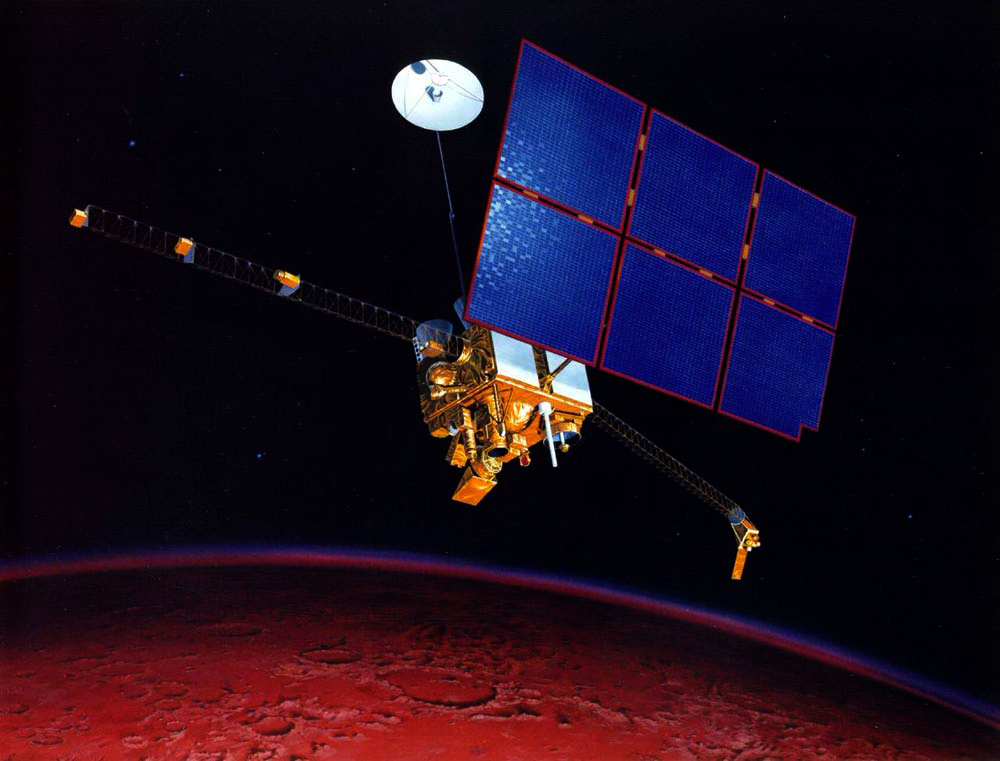
Mars Observer Mission
1992
The Underwater Telephone Revolution
1956
Motorola Incorporation
1928
MCM/70 Microcomputer Introduction
1973Stories Published in 2025





Stories Published in 2024



When Bitcoin Was Eleven Cents

September 25, 2024

Code Smell 271 - The Hollywood Principle

September 25, 2024


Stories Published in 2023














Stories Published in 2022

How to Explain the Internet to Your Kids

September 25, 2022







The Three Types of Science

September 25, 2022








Stories Published in 2021







Five Guidelines for Robust Logging

September 25, 2021

An Intro to Dynamic CDK Dashboards

September 25, 2021




Building Our E-Commerce Platform with Serverless FaaS

September 25, 2021


Stories Published in 2020


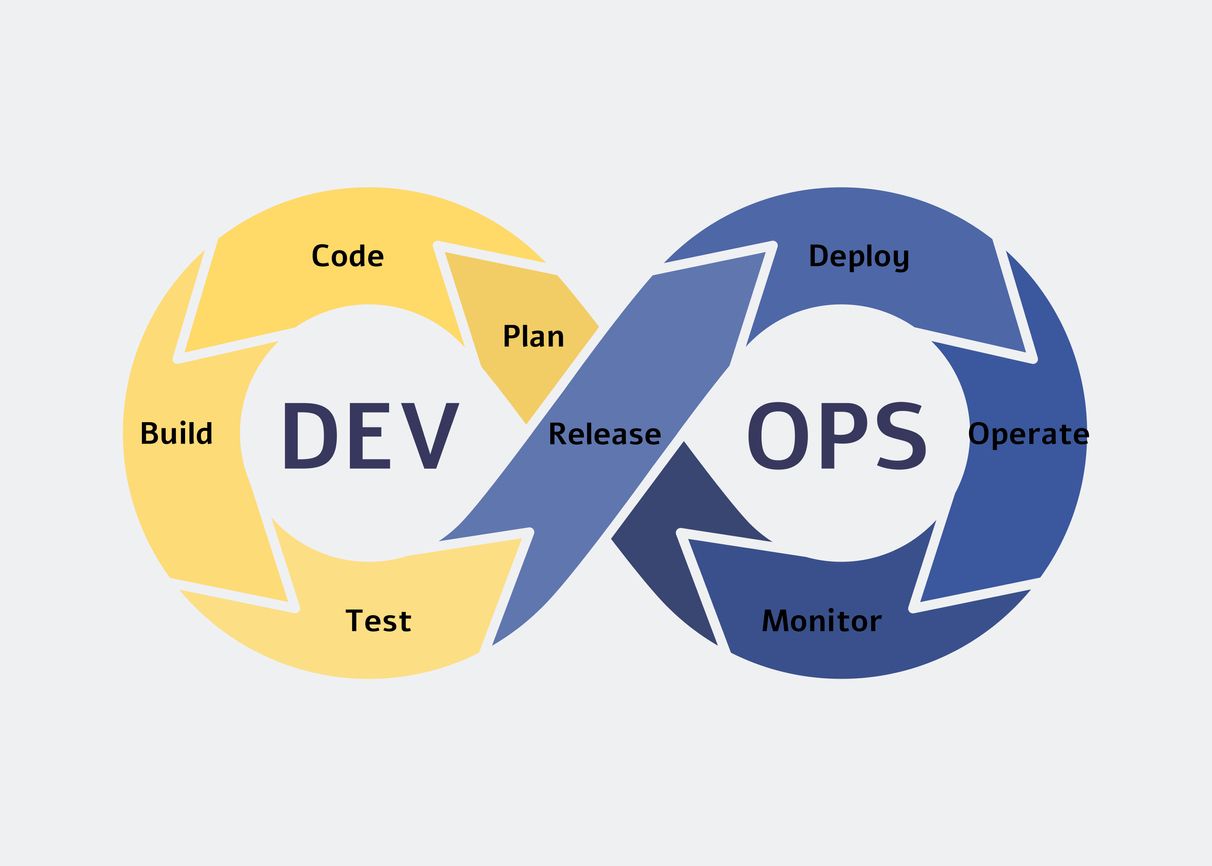
Why DevOps Is Important During the COVID-19 Pandemic

September 25, 2020





How to Manage a Remote Working Team

September 25, 2020

Can Data Automation Transform The Workplace?

September 25, 2020




Stories Published in 2019





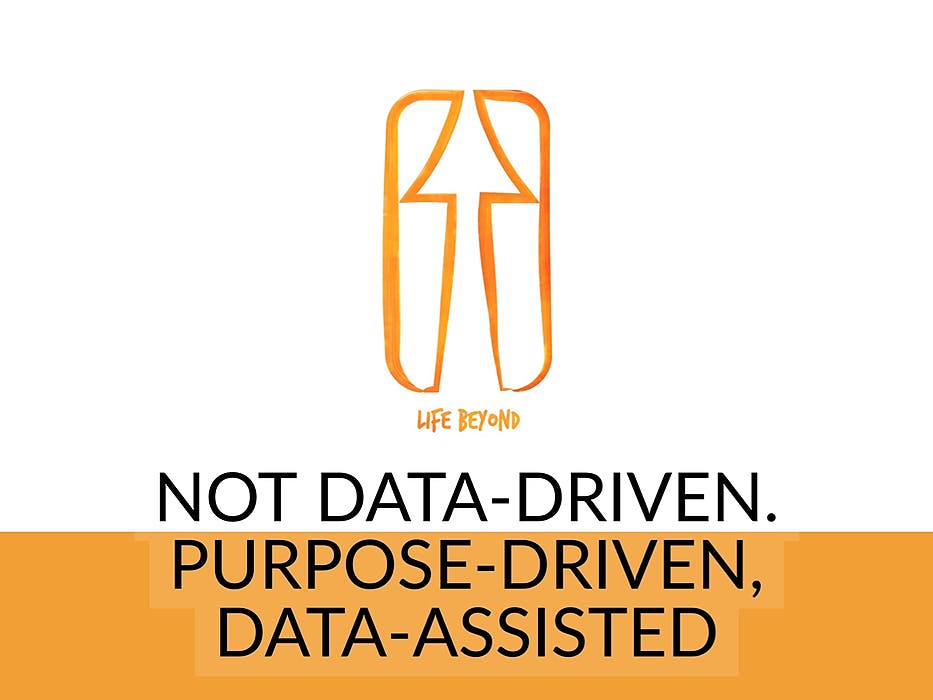
Not data-driven: purpose-driven and data-assisted

September 25, 2019

Are Computer Games the Future of Literature?

September 25, 2019



Accreditation as Advertisement
September 25, 2019

What is "Brand-as-Author"?
September 25, 2019
Stories Published in 2018



Is Content King In SEO After All?
September 25, 2018
Voice UI Visualization with CSS
September 25, 2018

Machine Learning Food Datasets Collection

September 25, 2018



Software Ecology
September 25, 2018

Engineering whiteboard interviews: yay or nay?
September 25, 2018
Stories Published in 2017

I met my CEO and why you should too
September 25, 2017

What Hacker News readers want in a job?
September 25, 2017



No Worries if You Oversleep This Class— Byte Order
September 25, 2017

Play It Again Sam!
September 25, 2017

Poor Richard’s Guide to Cryptocurrency
September 25, 2017

JS WTF 🦄 with Number
September 25, 2017

Stories Published in 2016
What Drives Uber, Facebook, Amazon, and Quora’s Growth?
September 25, 2016
Subdomain takeover of blog.snapchat.com
September 25, 2016
8 reasons Android is an amazing platform
September 25, 2016
Cron job — a tale of a missing log
September 25, 2016
Silicon Valley wants you to register to vote

September 25, 2016
Code reviews vs. unit tests — fight!
September 25, 2016

